Lead sheet leads the way
Lead remains the material of choice for roofing, weatherproofing, radiation protection and soundproofing. Let’s explore why….



Lead remains the material of choice for roofing, weatherproofing, radiation protection and soundproofing. Let’s explore why….

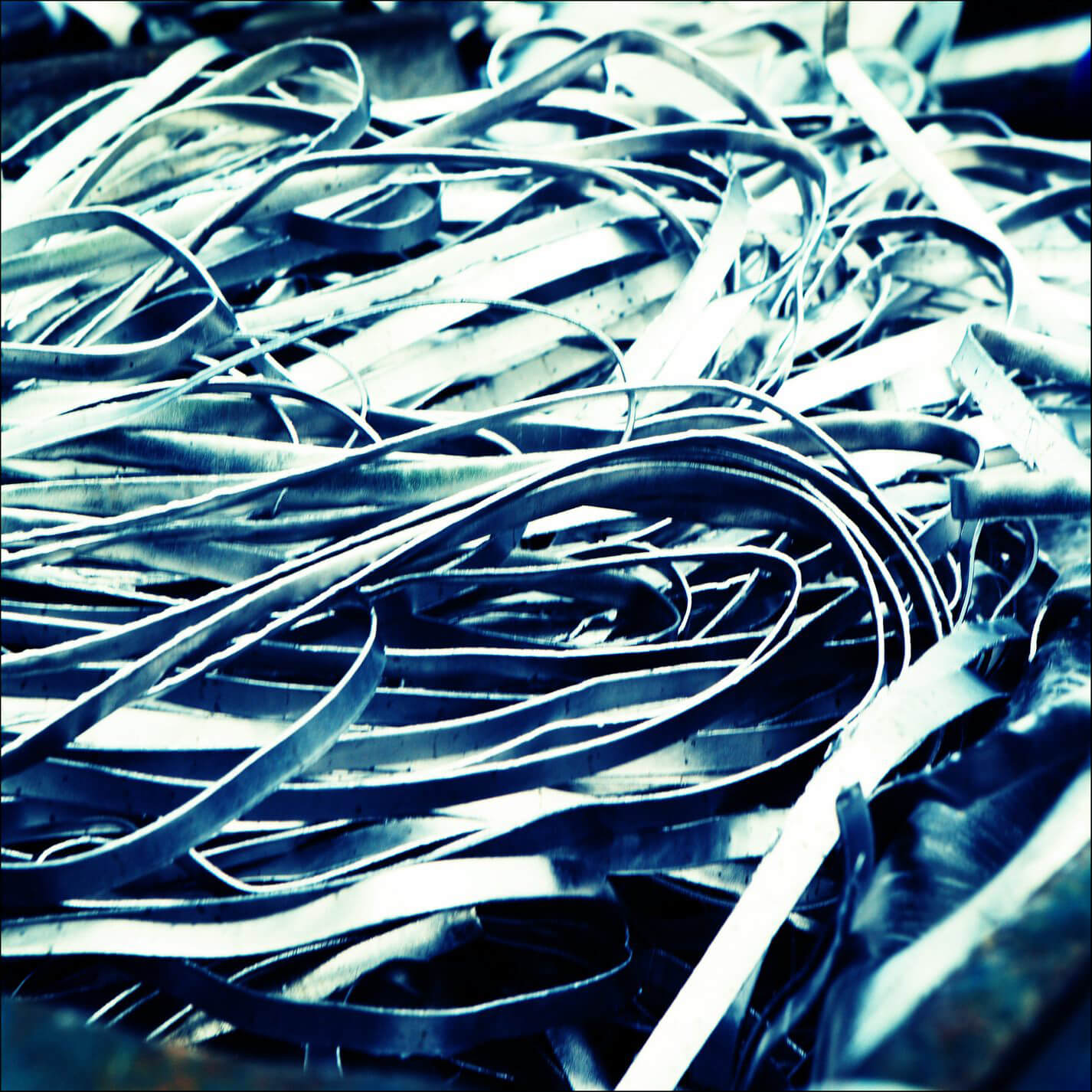
Lead sheet is the cleanest, greenest solution. Knowing that our lead is not only recyclable, but has already been recycled, helps our customers and partners’ corporate social responsibilities policies. And it’s a great step towards a brighter, greener future for the construction industry.

Lead now features in the BRE Green Guide for the first time, with a rating of A+ or A

Lead’s carbon footprint is between 30 and 76kg CO2 per kg of material – significantly lower than copper, zinc or stainless steel

Lead has a relatively low melting point of 327°C which leads to low carbon emissions when we’re recycling it.

Lead generates between just 0.5 and 0.66 Eco points – meaning minimal environmental impact.

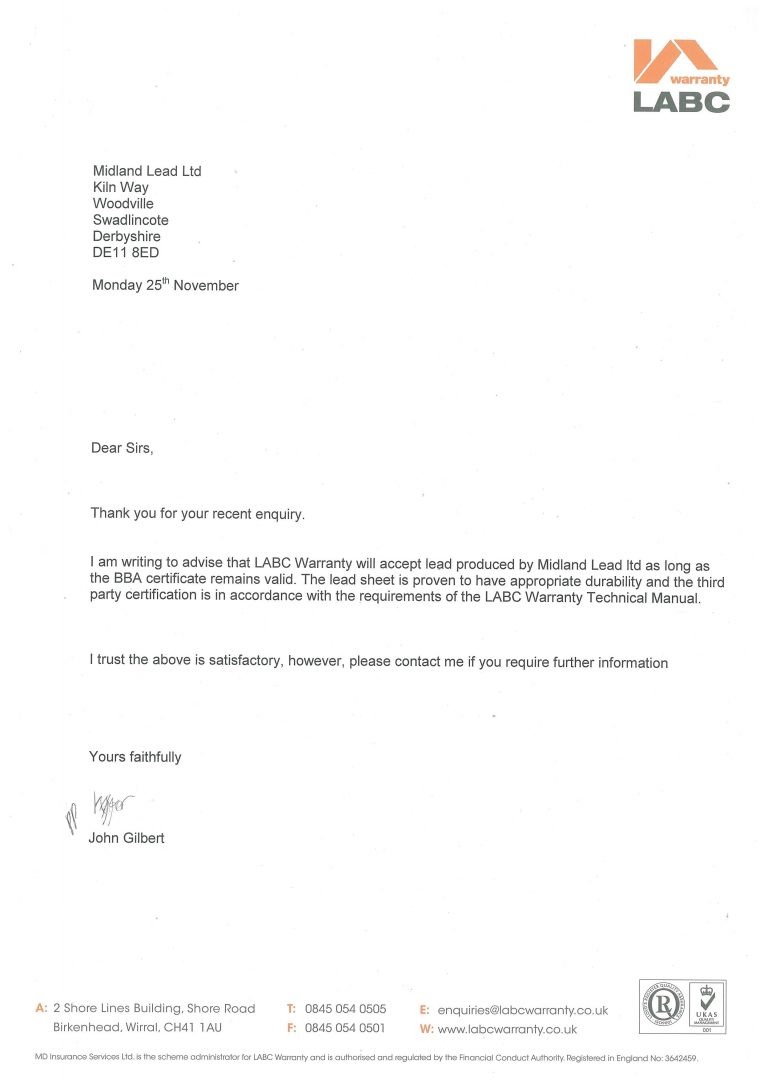
Midland Lead has the Royal stamp of approval for our sustainable manufacturing
Let’s take a look at how lead compares to other weather-proofing materials commonly used in construction:

Other weather-proofing materials:
Plastic membranes, bitumen or synthetic rubbers are not easily recyclable or degradable
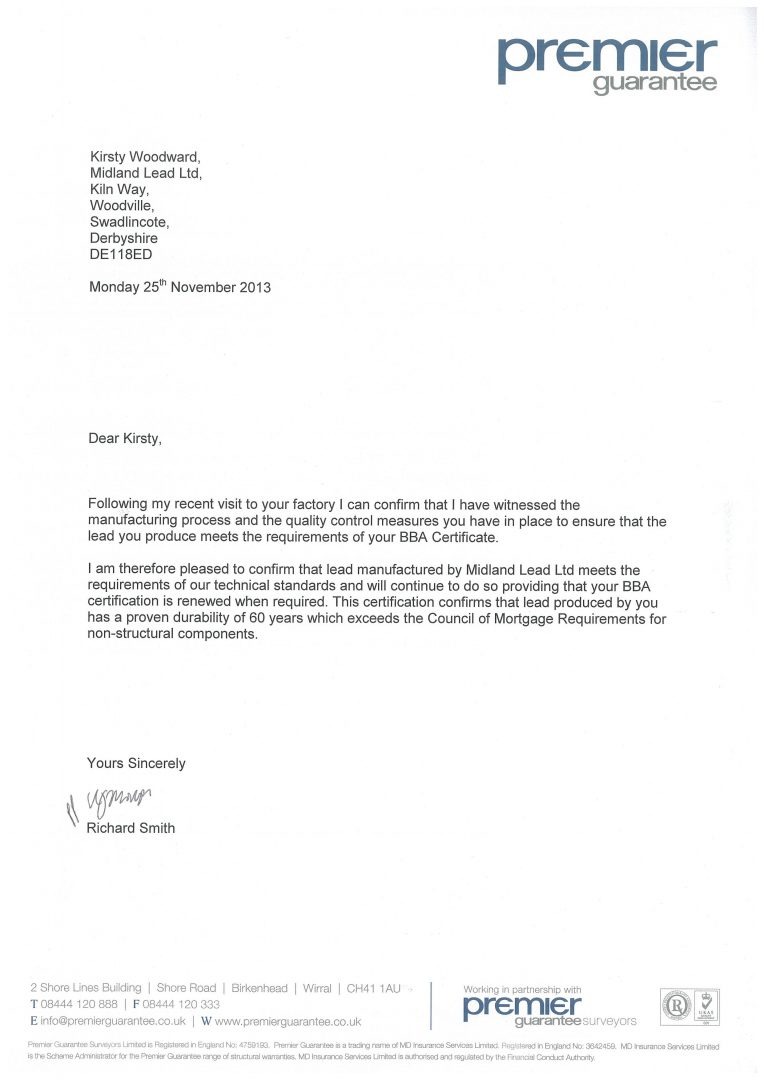
Recycled lead sheets have a lifespan of 50 to 100 years or more, meaning fewer replacements.
Other weather-proofing materials:
Asphalt shingles or rubber membranes typically last 20-40 years, requiring more frequent replacements and contributing to waste.
The process of recycling lead consumes far less energy than extracting and refining new materials.
Other weather-proofing materials:
Producing asphalt, plastic and rubber-based products typically involves energy-intensive processes using petroleum, resulting in higher carbon emissions.
Using recycled lead reduces waste sent to landfill. Lead roofing and flashing can be removed, melted down and re-used once again.
Other weather-proofing materials:
Asphalt and bitumen membranes often end up in landfill. Recycling options are limited and disposal can contribute to environmental pollution.
Using recycled lead reduces the need for virgin lead mining, contributing to a circular economy
Other weather-proofing materials:
Many synthetic weather-proofing materials rely on finite resources like petroleum or natural gas.
Other weather-proofing materials:
Plastic membranes, bitumen or synthetic rubbers are not easily recyclable or degradable
Recycled lead sheets have a lifespan of 50 to 100 years or more, meaning fewer replacements.
Other weather-proofing materials:
Asphalt shingles or rubber membranes typically last 20-40 years, requiring more frequent replacements and contributing to waste.
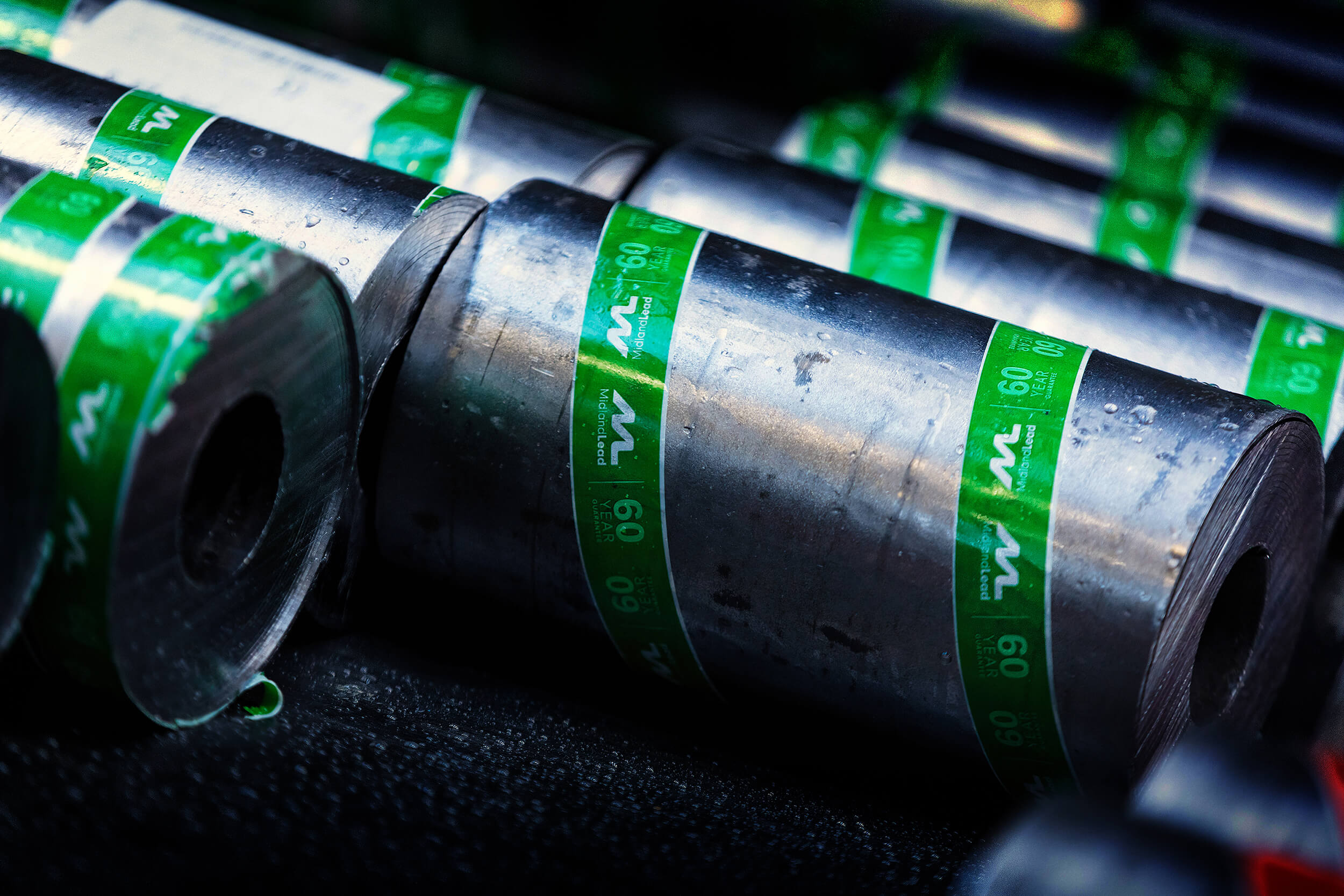
The process of recycling lead consumes far less energy than extracting and refining new materials.
Other weather-proofing materials:
Producing asphalt, plastic and rubber-based products typically involves energy-intensive processes using petroleum, resulting in higher carbon emissions.
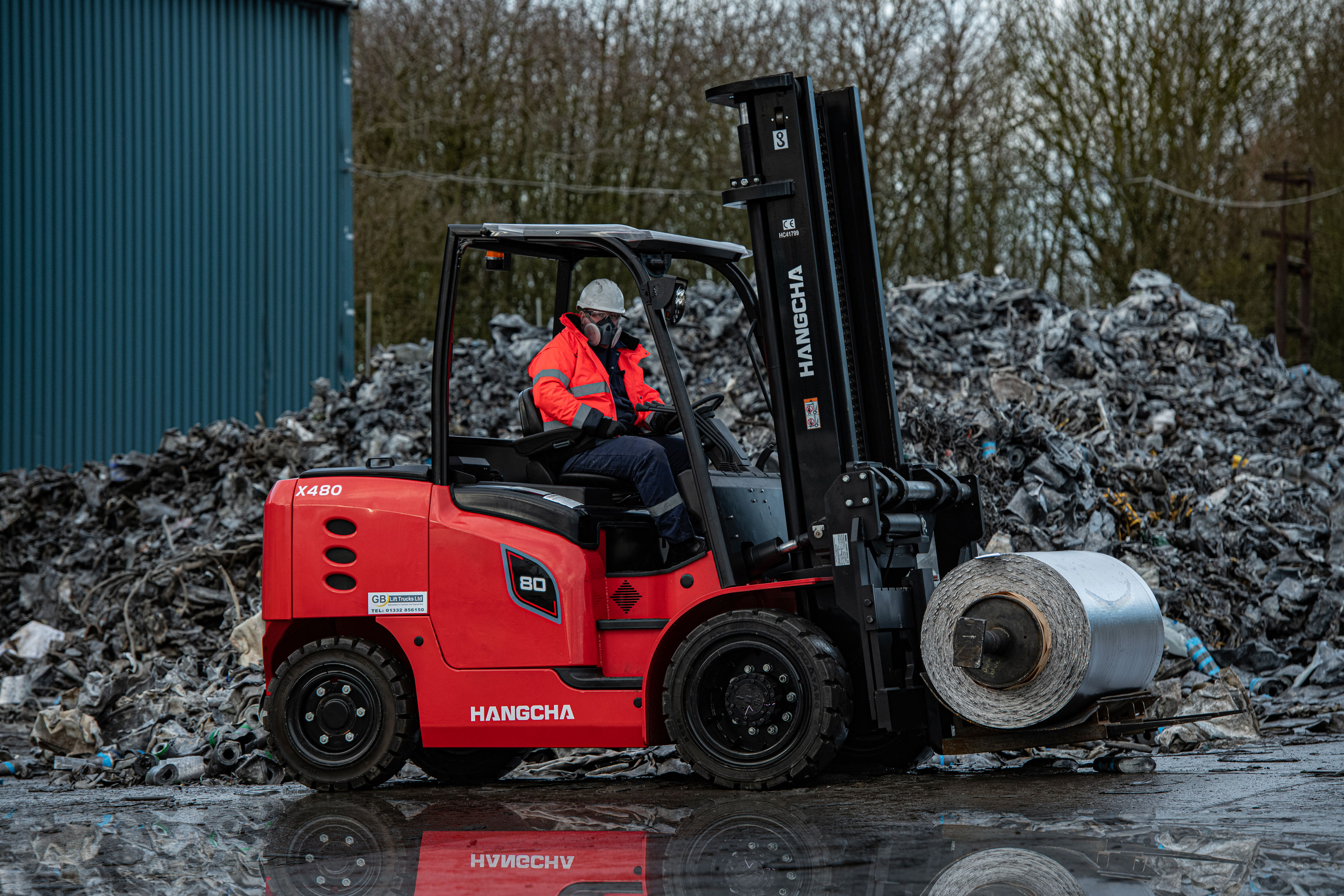
Using recycled lead reduces waste sent to landfill. Lead roofing and flashing can be removed, melted down and re-used once again.
Other weather-proofing materials:
Asphalt and bitumen membranes often end up in landfill. Recycling options are limited and disposal can contribute to environmental pollution.

Using recycled lead reduces the need for virgin lead mining, contributing to a circular economy
Other weather-proofing materials:
Many synthetic weather-proofing materials rely on finite resources like petroleum or natural gas.
Our machine cast lead sheet is approved by the British Board of Agrément (BBA) and comes with a 60-year guarantee. But the working life expectancy of all types of lead sheet is much longer – in fact, well over a hundred years. Lead is not a short-term solution; it’s an investment.
And don’t forget, even when your lead does need replacing, there is still considerable value in the old material, which can be recycled and used again and again.


“Having dealt with a lot of historic buildings in my time, I've seen lead last for 100 years. So a 60 year guarantee is great, but I think it has much more life in it than that anyway!”
With durability, practicality and enduring good looks, it’s easy to see why lead remains the construction material of choice. Lead sheet has been making buildings look good for centuries and that isn’t about to change! Architects and designers prize lead for its elegant appearance, and even non-lead alternatives are frequently made to resemble lead.
When pre-treated with patination oil, lead will retain its appearance over decades – even in the harshest of weather conditions.


Lead is incredibly easy to use. It works alongside other building products, it’s non-corrosive and flexible. It won’t lift in high winds, and it can withstand – and be fitted in – any kind of weather.
Our CE mark EN14783 shows that Midland Lead machine cast and lead sheet are suitable for all roofing and cladding applications, including flat and pitched roofing, cladding, flashing, guttering and fine detail work.
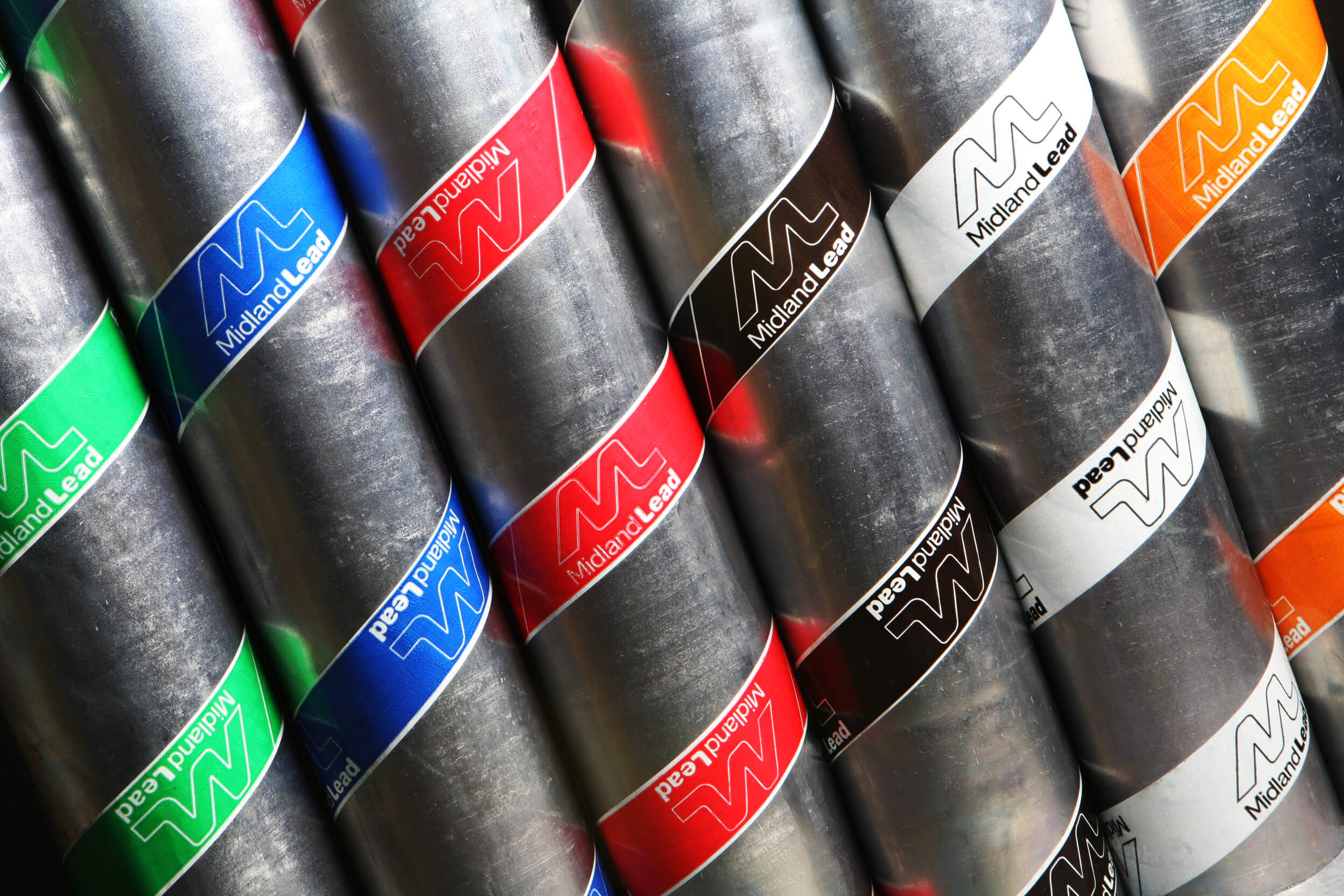
Machine cast lead from Midland Lead is available in a range of sheet thickness depending on your intended application. The construction industry typically requires code 4 – with a smaller requirement for code 5 lead sheet. Requirements in the UK healthcare sector vary, from code 3 for dental/veterinary use, to codes 4/6 for general hospital use.
Code 1 (0.45mm) – code 8 (3.55mm)
Standard lengths: 3m and 6m. We can supply to 12m on codes 3, 4 and 5
Standard widths: 150mm – 1400mm